The Heat is On: Understanding Climate Change vs. Global Warming
If you’ve noticed that "once-in-a-century" storms are happening every few years, or that your local winters feel a bit more like a confused spring, you’re witnessing the defining challenge of our era. While the terms Global Warming and Climate Change are often used interchangeably, they actually describe two different parts of the same story.
Warming vs. Change: What’s the Difference?
Think of it like a fever. Global Warming is the rise in the Earth’s temperature—the actual "reading" on the planetary thermometer. Climate Change is the resulting cough, body aches, and fatigue—the side effects like melting glaciers, shifting rain patterns, and more intense hurricanes.
•Global Warming: Specifically refers to the long-term warming of the planet since the early 20th century, primarily due to the increase in fossil fuel emissions.
•Climate Change: A broader term that includes global warming but also encompasses the "side effects" like sea-level rise, shrinking mountain glaciers, and shifts in flower/plant blooming times.
The "Heat-Trapping" Blanket
At the heart of this issue is the Greenhouse Effect. While a natural amount of greenhouse gases is vital for life, we have significantly thickened that "blanket" by burning coal, oil, and gas.
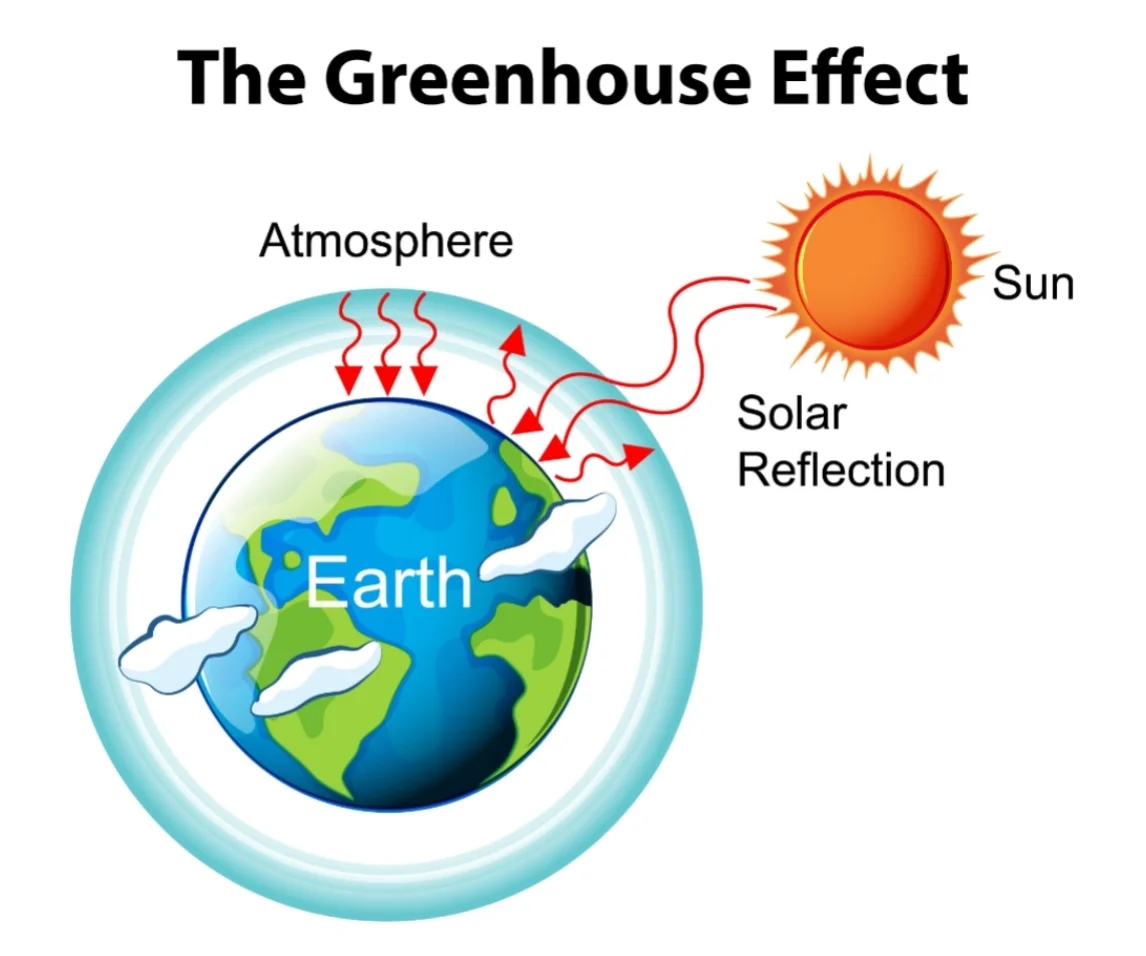
When we burn these fuels, we release Carbon Dioxide (CO_2). This gas is particularly stubborn; it can linger in our atmosphere for hundreds of years. Since the Industrial Revolution, CO_2 levels have risen by nearly 50%, reaching levels higher than at any point in the last 800,000 years.
The Real-World Consequences
This isn't just about polar bears (though they are certainly in trouble). The impacts are hitting closer to home:
1.Extreme Weather: Warmer air holds more water vapor, leading to heavier downpours and more destructive flooding in some areas, while increased evaporation leads to more intense droughts in others.
2.Ocean Acidification: The ocean absorbs about 30% of the CO_2 we produce. This changes the chemistry of the water, making it harder for corals and shellfish to survive.
3.Sea Level Rise: As the world warms, ice sheets and glaciers melt, and water physically expands as it gets hotter. This threatens coastal cities globally.
Is It Too Late?
The short answer is: No. While some warming is already "baked in" due to past emissions, our actions today determine the severity of the future. The transition to renewable energy sources—like wind and solar—is accelerating. In 2023 and 2024, global investment in clean energy reached record highs, significantly outpacing fossil fuels.
The Goal: To avoid the worst impacts, climate scientists suggest we must limit global warming to 1.5°C above pre-industrial levels. We are currently hovering around 1.1°C to 1.2°C.
What Can We Do?
Large-scale change requires policy and industrial shifts, but individual momentum creates the "social license" for those changes to happen. Whether it’s reducing meat consumption, opting for public transit, or simply staying informed, every fraction of a degree we prevent matters.
The atmosphere doesn't care about borders or politics; it only responds to physics. By understanding the science, we can better advocate for a planet that remains a hospitable home for everyone.
Are you interested in how specific regions are adapting to these changes, or perhaps the latest breakthroughs in carbon capture technology?