Introduction
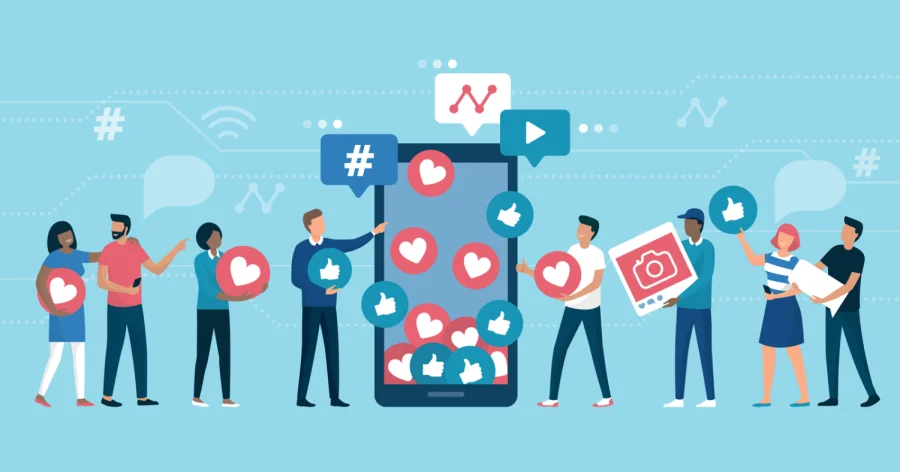
In today’s digital and interconnected world, media plays a powerful role in shaping how individuals perceive themselves and others. From television and films to social media platforms and online content, media has become a central force influencing identity formation. Identity is not fixed; it evolves through continuous interaction with social, cultural, and technological environments—and media is one of the most influential among them.
Understanding Identity Formation
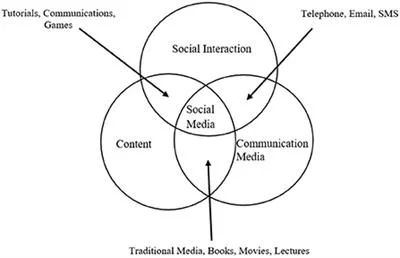
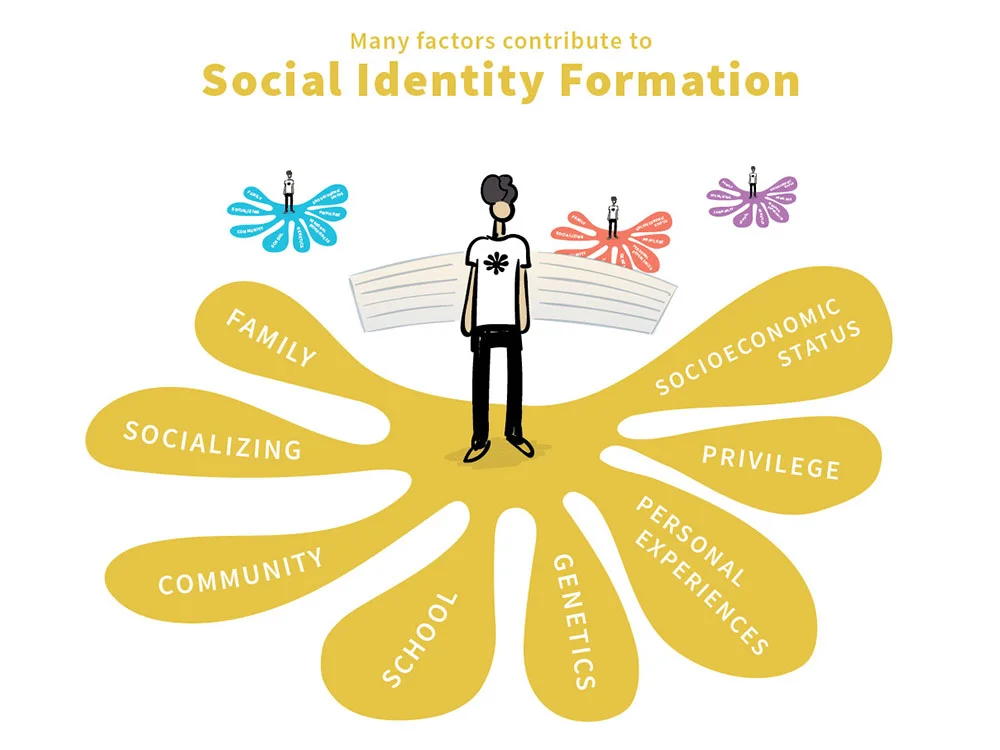
Identity formation refers to the process through which individuals develop a sense of self. It includes personal beliefs, values, attitudes, roles, and social affiliations. This process is influenced by family, peers, education, culture, and increasingly, media.
Types of Media Influencing Identity
Traditional Media
Includes television, radio, newspapers, and magazines. These mediums shape societal norms and cultural expectations.
Digital and Social Media
Platforms like Instagram, YouTube, and Facebook allow users to create, share, and consume content, making identity formation more interactive and dynamic.
Mass Media Content
Movies, advertisements, and web series often portray ideal lifestyles, beauty standards, and success stories that influence self-perception.
Positive Influence of Media on Identity Formation
1. Exposure to Diversity
Media introduces individuals to different cultures, lifestyles, and perspectives, helping them develop a broader and more inclusive identity.
2. Self-Expression and Creativity
Social media platforms enable individuals, especially young people, to express their thoughts, talents, and opinions, fostering self-confidence.
3. Awareness and Knowledge
Educational content, documentaries, and informational videos enhance awareness about social issues, rights, and global events, shaping informed identities.
4. Role Models and Inspiration
Media presents influential figures (such as activists, entrepreneurs, and artists) who inspire individuals to shape their aspirations and goals.
Negative Influence of Media on Identity Formation
1. Unrealistic Standards
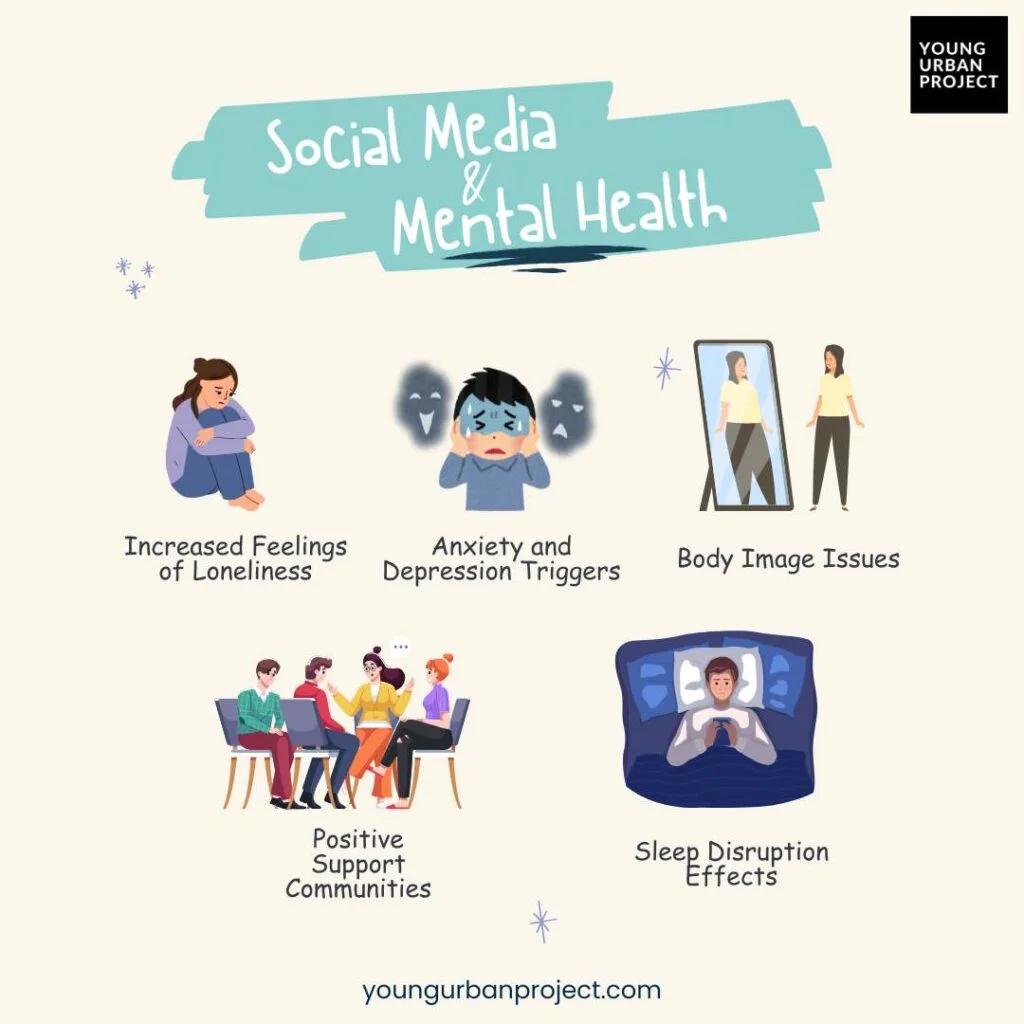
Media often promotes idealized images of beauty, success, and lifestyle, which can lead to low self-esteem and identity confusion.
2. Stereotyping and Bias
Certain groups may be portrayed in limited or biased ways, influencing how individuals perceive themselves and others.
3. Social Comparison
Constant exposure to curated lives on social media can lead to unhealthy comparisons, anxiety, and dissatisfaction.
4. Identity Crisis and Confusion
Overexposure to multiple perspectives may sometimes create confusion, especially among adolescents who are still forming their identity.
Role of Social Media in Modern Identity Formation
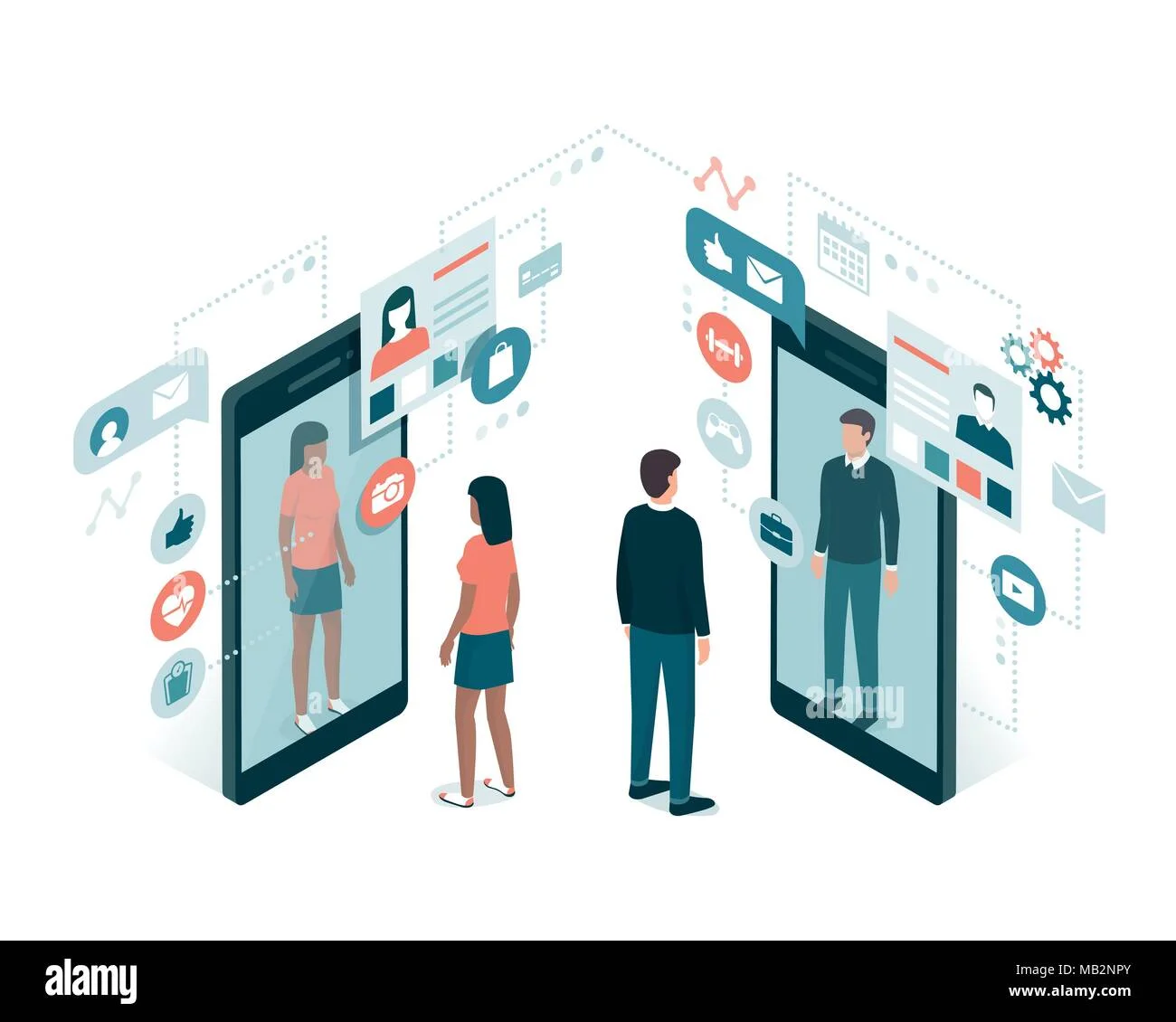
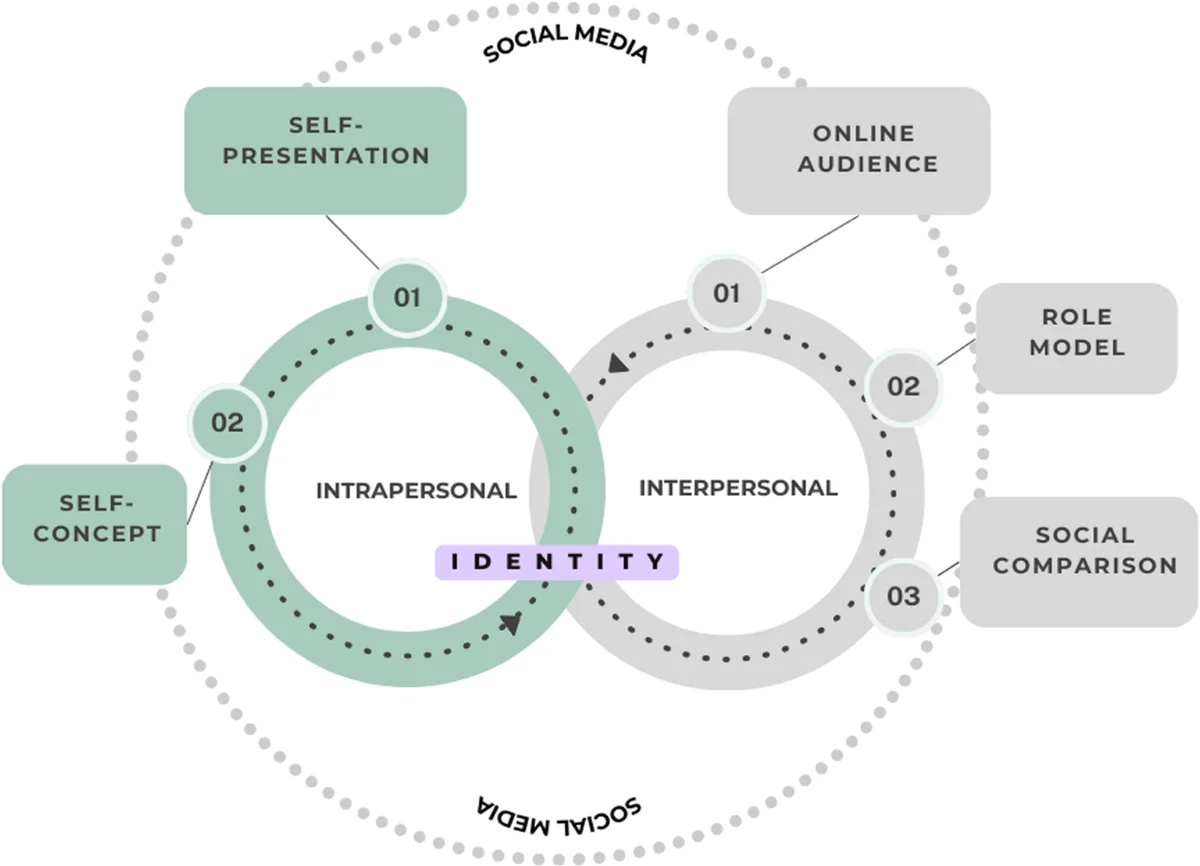
Social media has transformed identity formation into a more visible and interactive process. Individuals now actively construct their identities by:
Creating online profiles
Sharing personal experiences
Seeking validation through likes and comments
However, this can also lead to a “performed identity,” where individuals present an idealized version of themselves rather than their authentic self.
Balancing Media Influence
To ensure healthy identity formation, individuals should:
Develop critical thinking while consuming media
Limit excessive screen time
Engage in real-life social interactions
Be aware of media manipulation and biases
Focus on self-acceptance rather than comparison
Role of Education and Society
Schools and educators play a crucial role in guiding students to critically analyze media messages. Media literacy programs can help individuals:
Understand the intent behind media content
Identify stereotypes and misinformation
Make informed choices
Families and communities should also support open discussions about media influence and identity.
Conclusion
Media is a powerful agent of identity formation in contemporary society. While it offers opportunities for learning, expression, and connection, it also poses challenges related to self-image and authenticity. The key lies in mindful consumption and critical engagement with media. By developing awareness and balance, individuals can shape a strong, confident, and authentic identity in the media-driven world.