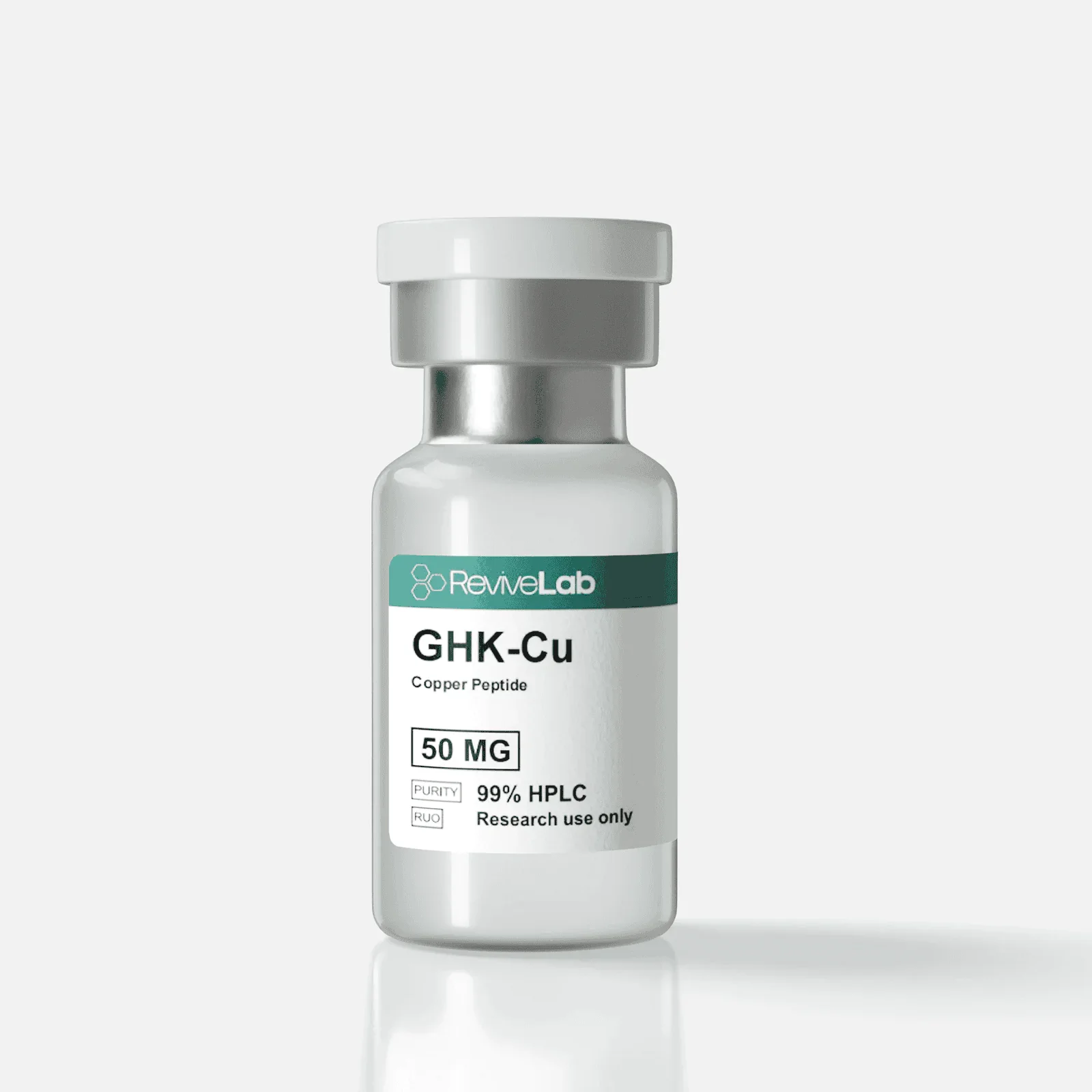
Skin barrier science has become one of the fastest-growing areas in regenerative research. Scientists now understand that healthy skin depends on more than surface hydration alone. The outer skin barrier protects against moisture loss, irritation, environmental stress, and microbial exposure. Research involving copper peptide ghk cu gained attention because these peptides may support cellular repair and skin recovery in several ways.
Understanding the Skin Barrier First
The skin barrier acts like a protective wall. It helps hold moisture inside while blocking pollutants, bacteria, and irritants from entering deeper layers of skin. When this barrier weakens, dryness, redness, irritation, and uneven texture often appear more easily.
Researchers studying skin repair noticed that damaged barriers usually show increased inflammation and slower tissue recovery. This finding pushed scientists to explore compounds linked to regeneration and collagen activity.
Interest in copper peptide GHK-Cu research in Canada increased as laboratories looked for peptides connected to skin recovery and cellular communication.
Why Researchers Focus on Cellular Repair
Healthy skin constantly repairs itself. Cells renew, collagen rebuilds, and damaged tissue gradually improves through natural biological activity. Aging and environmental stress can slow this process over time.
Scientists became interested in GHK Cu because studies suggested it may support tissue remodeling and repair signaling inside the skin. Researchers also observed links between copper peptides and collagen-related activity.
Several laboratory studies now examine:
• Skin texture changes
• Moisture retention support
• Cellular repair response
• Inflammation-related signaling
These areas remain important because the skin barrier depends heavily on balanced cellular function.
How Copper Peptides Work in Research Settings
GHK Cu combines a small peptide with copper ions. Researchers believe this structure helps deliver biological signals connected to healing and tissue support. Copper itself already plays a role in several enzymatic processes inside the body.
Scientists studying copper peptide ghk cu often focus on how these peptides interact with fibroblasts, collagen production, and extracellular matrix repair. Fibroblasts help maintain skin structure, elasticity, and overall tissue strength.
Some research also suggests copper peptides may influence antioxidant activity. Oxidative stress remains one of the major factors connected to skin barrier breakdown and visible aging.
Barrier Damage Became a Bigger Concern in Modern Skin Research
Environmental exposure affects the skin every day. Pollution, UV radiation, harsh cleansers, and dry conditions may weaken the barrier over time. Researchers noticed that chronic barrier stress often increases inflammation and moisture loss.
This shift changed how scientists approached skin studies. Instead of focusing only on cosmetic appearance, many laboratories started studying deeper biological repair systems.
Research involving copper peptide GHK-Cu in Canada expanded because scientists wanted compounds connected to structural skin support instead of temporary surface effects.
Collagen Research Added More Attention
Collagen helps keep skin firm and resilient. Lower collagen activity may contribute to thinner skin, rough texture, and reduced elasticity. Researchers studying GHK Cu observed possible links between copper peptides and collagen-related processes.
Current laboratory analysis often examines:
• Fibroblast stimulation
• Tissue remodeling activity
• Elasticity-related markers
• Structural protein support
Scientists continue evaluating how these mechanisms influence long-term skin barrier strength.
Research interest increased further because barrier repair and collagen maintenance often work together. Stronger structural support may improve moisture retention and reduce visible irritation.
Inflammation and Skin Stress Remain Major Research Topics
Inflammation plays a large role in skin barrier damage. Irritated skin may struggle to maintain proper hydration and repair function. Researchers studying regenerative compounds often analyze inflammatory signaling during tissue recovery.
Copper peptides attracted attention because some studies suggest they may influence pathways connected to oxidative stress and inflammatory activity. Scientists continue examining these interactions carefully in controlled research environments.
Laboratories investigating copper peptide ghk cu also compare how different peptide formulations affect stability and absorption during skin-related studies.
Why Delivery Systems Matter in Copper Peptide Research
Researchers understand that formulation quality affects peptide performance. Stability, absorption, and degradation rates all influence study outcomes.
Several factors receive close attention:
• Peptide concentration
• Oxidation protection
• Delivery method
• Product stability
Copper peptides can degrade under poor storage conditions, so laboratories carefully evaluate packaging and formulation practices before beginning research.
Reliable delivery systems matter because skin barrier studies often continue for extended periods. Consistent material quality helps researchers produce cleaner and more dependable data.
Skin Aging Research Expanded the Interest Further
Scientists studying skin aging now focus heavily on barrier function. Aging skin often shows reduced moisture retention, weaker repair activity, and slower cellular turnover. Barrier weakening may also increase sensitivity and visible texture changes.
Researchers believe regenerative peptides may support some of the biological processes involved in healthy skin maintenance. This explains why copper peptide studies continue growing in cosmetic science and regenerative research.
Interest in copper peptide GHK-Cu in Canada increased alongside broader investigations into healthy aging and tissue support science.
Researchers Continue Studying Long-Term Potential
Current research still continues in several important areas. Scientists want clearer answers about how copper peptides interact with long-term tissue remodeling and barrier recovery.
Ongoing investigations include:
• Chronic skin stress response
• Tissue regeneration signaling
• Moisture retention support
• Environmental damage recovery
Researchers also compare copper peptides against other regenerative compounds to understand which pathways produce stronger repair activity.
Newer studies may provide deeper insight into how peptide signaling influences skin biology over time.
See Why Barrier Science Is Changing Modern Skin Research
Skin barrier research changed how scientists approach regenerative skincare studies. Researchers now examine moisture retention, inflammation control, collagen support, and tissue recovery together instead of treating them as separate concerns.
Growing interest in copper peptide ghk cu reflects the larger movement toward biological repair-focused research. Continued investigation into copper peptide GHK-Cu studies in Canada may help scientists better understand how peptides support stronger and healthier skin function over time.