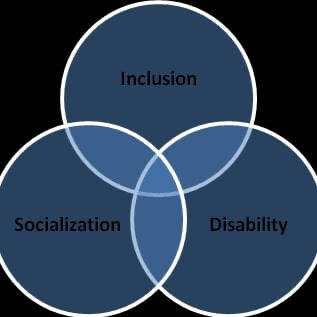
Breaking Barriers: Understanding Disability and Inclusive Socialization
In an ideal world, socialization is the bridge that connects us to our communities, friendships, and a sense of belonging. However, for millions of people living with disabilities, that bridge often has gates—some physical, many social. To build a truly equitable society, we must move beyond "integration" (simply being present) and toward inclusive socialization.
What is Inclusive Socialization?
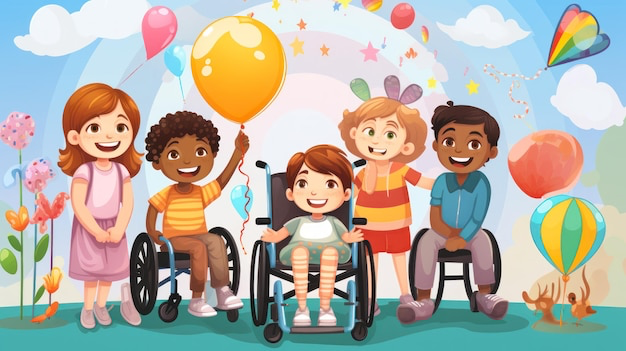
Inclusive socialization is the intentional practice of creating environments where individuals of all abilities can interact, contribute, and form meaningful relationships on an equal footing. It’s not just about adding a ramp to a building; it’s about dismantling the "us vs. them" mentality.
The Pillars of an Inclusive Social Environment
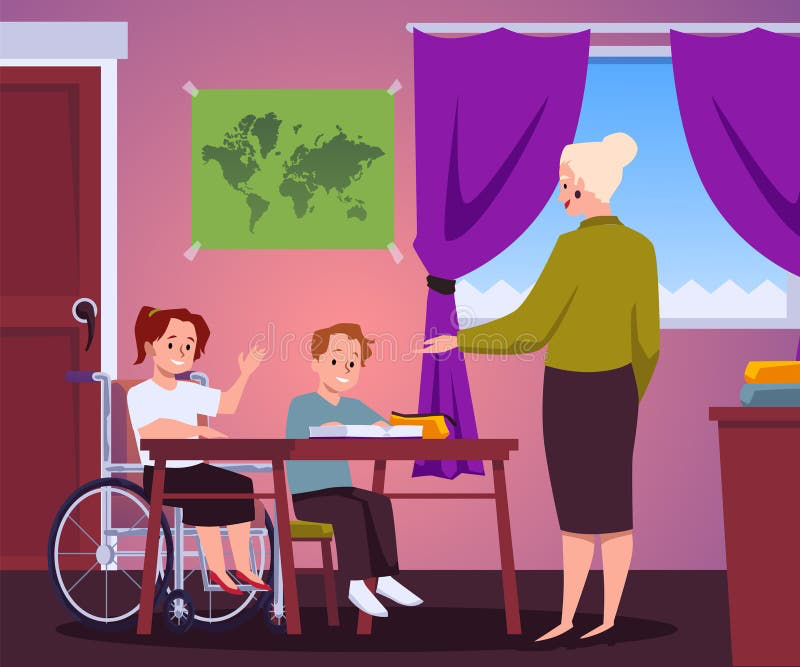
Creating a space where everyone feels welcome requires a multi-faceted approach:
Universal Design for Interaction: Just as we design physical spaces to be accessible, we should design social activities to be flexible. If a game or a networking event relies solely on one sense (like sight or hearing), it isn't truly inclusive.
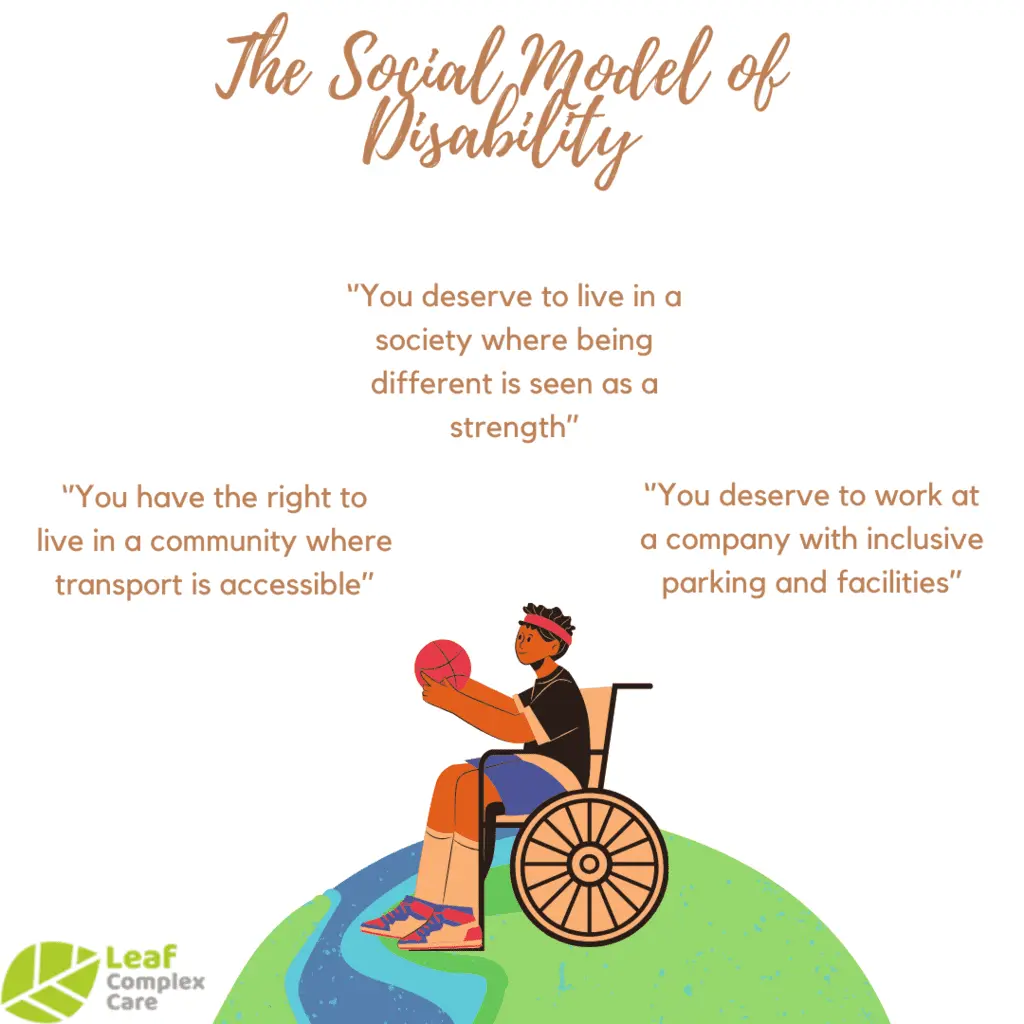
The Social Model of Disability: This perspective shifts the "problem" away from the individual's impairment and onto the barriers created by society. In this view, a person isn't "disabled" by their wheelchair, but by the stairs that prevent them from entering a party.
Authentic Representation: Inclusion happens when people with disabilities are part of the planning process, not just the recipients of an invite.
How to Practice Inclusive Socialization
Whether you are an educator, a business owner, or a friend, you can champion inclusion through these steps:
Ask, Don't Assume: Never assume what someone can or cannot do. If you're planning an outing, ask everyone about their needs privately and proactively.
Focus on Connection, Not Correction: In social settings, focus on the shared interest—be it a book club, a sport, or a dinner—rather than the disability.
Mind Your Language: Use person-first language ("person with a disability") or identity-first language ("autistic person") based on the individual's preference. Avoid euphemisms like "differently abled" unless requested.
Be a Vocal Ally: If you notice a social setting is inaccessible, speak up. True inclusion shouldn't be the sole responsibility of the person being excluded.
"Inclusion is not a matter of political correctness. It is the key to growth." — Jesse Jackson