Selecting the right surface preparation equipment is a critical decision for industries that rely on clean and properly prepared metal surfaces before painting, coating, welding, assembly, or further processing. A well-chosen blasting machine can improve productivity, reduce operating costs, enhance product quality, and support long-term manufacturing efficiency. However, since different industries process different types of components with varying sizes, shapes, and production volumes, choosing the most suitable machine requires careful evaluation of several technical and operational factors. Among the available surface preparation solutions, the Airless Shot Blasting Machine is widely recognized for its efficiency and reliability, but selecting the right model depends on understanding the specific requirements of the application.
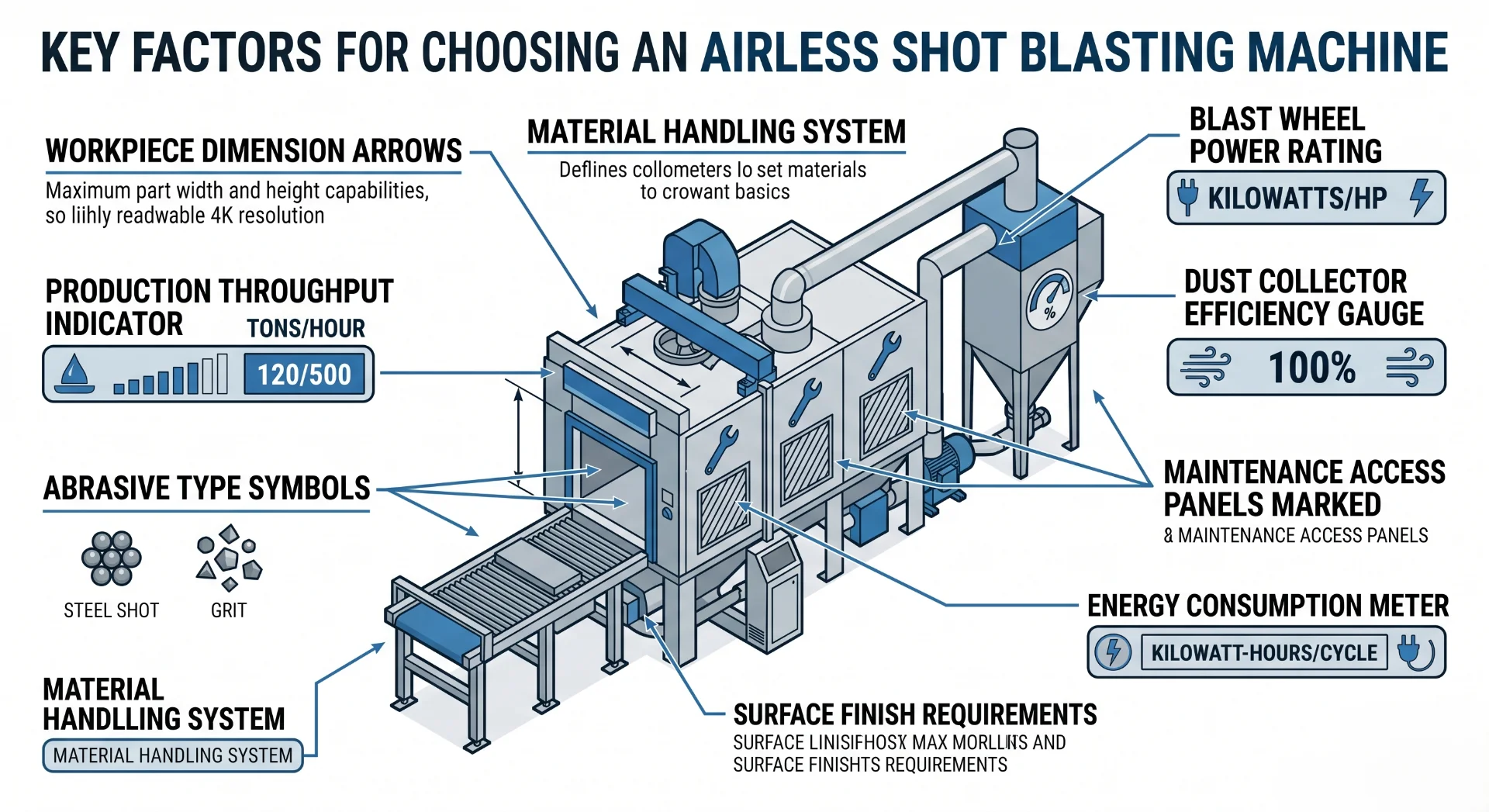
One of the first factors to consider is the type of workpiece being processed. Different industries handle a wide variety of components, including castings, forgings, fabricated structures, steel plates, pipes, automotive parts, railway components, and heavy machinery. The size, shape, weight, and complexity of the workpieces play a major role in determining the most appropriate machine configuration. For example, tumble blast machines are suitable for small components, while hanger-type machines are often used for larger and more complex parts. Roller conveyor systems are commonly selected for long structural steel sections and plates.
Production volume is another important consideration. Industries with high production requirements need machines capable of processing large quantities of components efficiently. Automated systems with continuous material handling capabilities can significantly increase productivity in such environments. On the other hand, businesses with lower production volumes may benefit from batch-type machines that offer flexibility and cost-effective operation. Understanding daily and future production requirements helps ensure that the selected machine can support long-term growth.
The required cleaning standard should also be carefully evaluated. Different applications demand different levels of surface preparation. Some components may require light cleaning to remove minor oxidation, while others may need aggressive blasting to eliminate heavy rust, mill scale, and old coatings. The selected machine should be capable of achieving the desired surface cleanliness and surface profile consistently. This is particularly important for industries where coating adhesion and corrosion resistance are critical.
Abrasive type and abrasive handling capability are equally important factors. Airless shot blasting machines use various abrasive media such as steel shots, steel grit, or specialized abrasives depending on the application. The machine should be designed to handle the selected abrasive efficiently while maintaining proper recovery, separation, and recycling performance. Effective abrasive management contributes to lower operating costs and improved blasting consistency.
Blast wheel performance is another key consideration because the blast wheel is the heart of the machine. Factors such as wheel design, power rating, rotational speed, and abrasive throwing capacity directly affect cleaning efficiency. High-quality blast wheels provide better performance, longer service life, and more consistent results. Evaluating blast wheel specifications helps ensure that the machine can meet the required production and cleaning demands.
Dust collection efficiency should not be overlooked. The blasting process generates dust, broken abrasive particles, and contaminants that must be removed from the system. A reliable dust collection unit helps maintain a cleaner workplace, improves visibility, supports worker safety, and ensures consistent blasting performance. Machines equipped with efficient dust collection systems often provide better overall operational reliability.
Energy consumption is another important factor, particularly for industries focused on reducing operating costs. Modern airless shot blasting machines often incorporate energy-efficient motors, optimized blast wheel designs, and intelligent control systems that help minimize power usage while maintaining high performance. Evaluating energy efficiency can contribute to significant long-term savings.
Machine durability and construction quality should also be considered. Blasting operations expose equipment to constant abrasive wear, making robust construction essential. Wear-resistant liners, high-quality steel fabrication, durable blast wheel components, and reliable abrasive handling systems help extend equipment lifespan and reduce maintenance requirements. Investing in a durable machine often results in lower ownership costs over time.
Maintenance requirements are equally important. Machines designed with easy access to critical components simplify routine inspections, repairs, and part replacements. Features such as accessible blast wheels, convenient filter servicing, and simplified abrasive recovery systems can reduce downtime and improve overall productivity. Evaluating maintenance accessibility before purchase can help avoid operational challenges later.
Automation and control features may also influence the selection process. Modern machines often include programmable control panels, automated material handling systems, process monitoring technologies, and diagnostic capabilities. These features improve operational efficiency, reduce operator workload, and help maintain consistent blasting quality. Industries seeking greater productivity often benefit from higher levels of automation.
Available installation space should be assessed before choosing a machine. Different machine types require varying amounts of floor space, material handling clearance, and maintenance access. Understanding facility limitations helps ensure that the selected system can be installed and operated effectively within the available workspace.
Manufacturer support and spare parts availability are additional factors that should be considered. Reliable technical support, service assistance, training programs, and readily available spare parts contribute to smoother operation and reduced downtime. Choosing equipment from an experienced manufacturer can provide valuable long-term support and operational confidence.
Modern airless shot blasting machines may also include advanced technologies such as automated abrasive recycling systems, intelligent monitoring devices, variable-speed drives, wear monitoring systems, and energy-efficient designs. These features can further improve performance and help maximize return on investment.
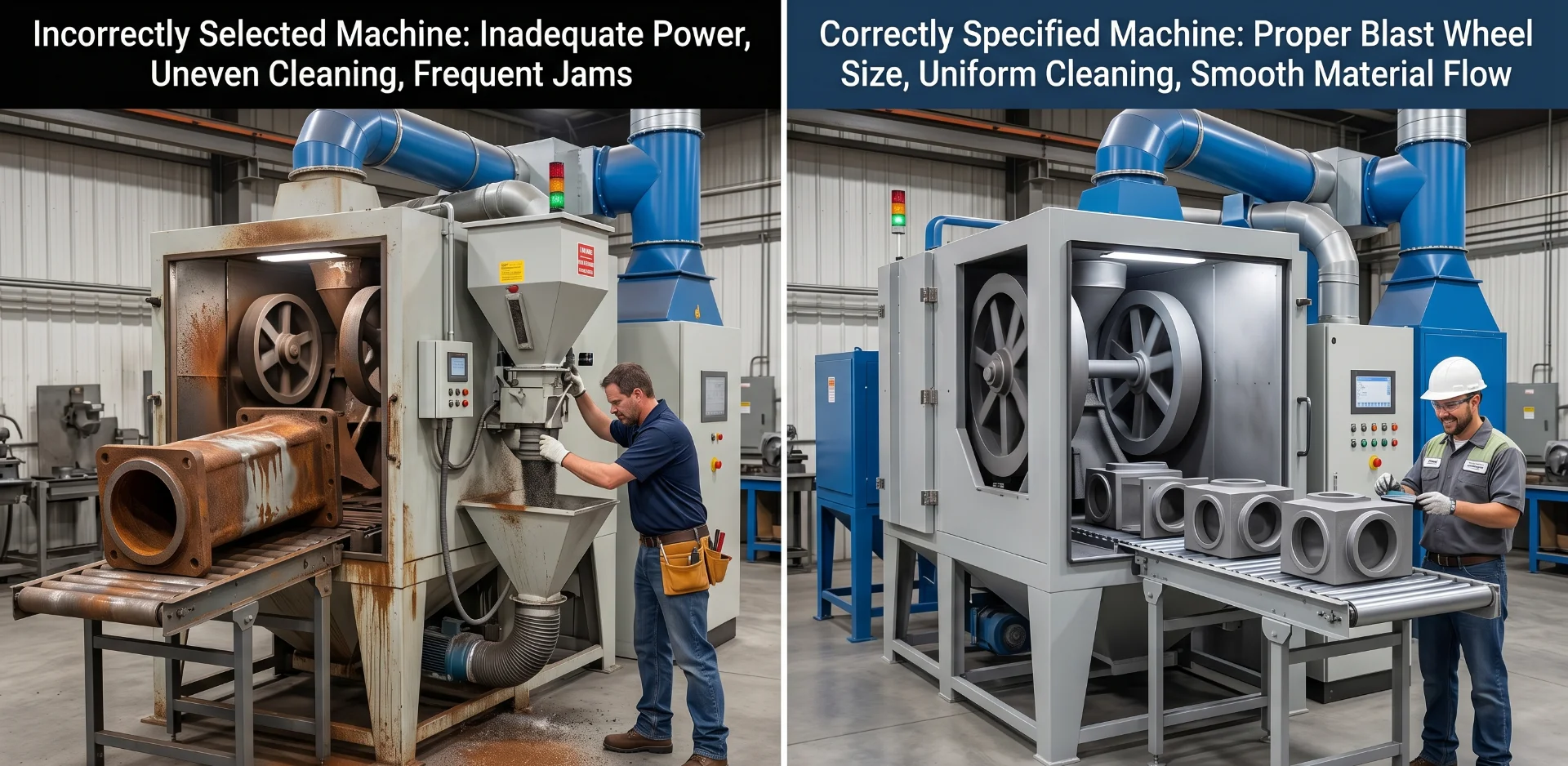
In the final paragraph, the Airless Shot Blasting Machine should be selected after carefully evaluating factors such as workpiece type, production volume, cleaning requirements, abrasive compatibility, blast wheel performance, dust collection efficiency, energy consumption, machine durability, maintenance accessibility, automation features, installation space, and manufacturer support. Considering these factors helps ensure that the chosen machine delivers reliable performance, improved productivity, excellent surface quality, and long-term operational value.
Conclusion
Choosing the right Airless Shot Blasting Machine requires a thorough assessment of production needs, surface preparation requirements, equipment quality, and operational objectives. By selecting a machine that matches the application, industries can achieve higher productivity, better cleaning results, improved coating performance, and long-term cost efficiency.